

Views: 0 Author: Site Editor Publish Time: 2026-04-15 Origin: Site


Cake decoration has evolved into an art form where creativity, color, and innovation come together to create edible masterpieces. From edible glitter to intricate 3D sculptures, the latest trends in cake decoration are pushing boundaries and offering new ways to enhance the visual appeal of cakes. The rise of cake decoration candy and edible elements has transformed not only how cakes look but also how guests experience them. In this article, we’ll explore the newest trends in edible cake decorations, from the rise of edible art to sustainable, interactive designs that are taking the baking world by storm.
One of the most exciting trends in cake decoration is the use of custom edible prints. Edible prints allow cake decorators to add intricate, personalized designs to their cakes, ranging from custom logos, photos, or text to detailed artistic images. These prints are made using edible ink and special edible paper, providing a clean, detailed finish that traditional decorating techniques cannot match. This trend has become especially popular for cakes at weddings, birthdays, and corporate events, where personalized branding or special themes are important.
With custom edible prints, bakers can create intricate designs that would otherwise be too time-consuming or complex to execute by hand. The ability to print photographs, detailed illustrations, or even 3D renderings onto cakes has made these prints an invaluable tool for high-end bakeries.
Another innovative trend in edible cake decoration is hand-painted cakes. The art of painting on cakes with edible colors is gaining popularity for its ability to turn a simple cake into a canvas of intricate, detailed artwork. Artists are using edible paints made from natural food colorants to create beautiful scenes, patterns, and designs on cake surfaces. This style is often used for bespoke cakes and high-end events, where clients want to personalize their desserts with unique, hand-painted designs.
Hand-painted cakes can range from realistic portraits or flowers to abstract designs, offering endless possibilities for cake decorators. The trend allows cake decorators to incorporate more artistic elements into their designs, enhancing the cake’s visual appeal and creativity.
Edible 3D sculptures are another growing trend in cake decoration. Using materials like fondant, chocolate, and sugar, cake decorators are now able to create intricate, lifelike sculptures that become a focal point of the cake. These sculptures can be anything from flowers to animals or fantastical characters. The precision and attention to detail that go into creating edible sculptures are extraordinary, making them a popular choice for high-end patisseries.
The development of new materials, such as modeling chocolate and advanced fondant techniques, has allowed decorators to bring more detailed and realistic sculptures to life. These sculptures can either be used as part of a larger cake design or stand alone as the cake centerpiece.
Edible Art Type | Description | Popular Uses |
Custom Edible Prints | Personalized designs, logos, and photos printed onto edible paper. | Weddings, birthdays, corporate events |
Hand-Painted Cakes | Detailed designs painted with edible colors on the cake surface. | Bespoke cakes, high-end events |
Edible 3D Sculptures | Lifelike sculptures made from fondant, chocolate, or sugar. | Event cakes, themed cakes, weddings |
Edible glitter has always been a popular choice for adding a touch of sparkle to cakes, but its use has become more innovative with new colors and finishes. Glitter is no longer just a sprinkle of sparkle—it’s a statement. Vibrant, shimmering glitters are now available in a wide array of colors, from bold metallics to soft pastels, making them perfect for cakes that require an extra visual pop. Glitters are often used to enhance the surface of cakes or desserts, creating a dynamic, light-catching effect.
This trend has become especially popular in modern cakes, where designers are using glitter to add depth and visual interest. Whether it’s applied to an entire cake or just in small amounts to highlight certain areas, shimmering edible glitters give a cake a high-end, polished look.
Metallic edible paints are also making waves in the cake decoration world. Gold, silver, and copper edible paints are now being used to add luxury and elegance to cakes. These paints can be brushed onto cake surfaces to create beautiful, lustrous effects that make the cake appear sophisticated and opulent. Often used in conjunction with edible glitter, these metallic paints allow decorators to create cakes that shine with an elegant, high-fashion finish.
Metallic paints are particularly popular in wedding cakes and premium event cakes, where the desire for luxury and refinement is paramount. Gold and silver details are used to accentuate fondant flowers, borders, or even to cover the entire surface for a modern, high-end look.
Glitter Type | Description | Common Uses |
Shimmering Edible Glitters | Glitter used to add sparkle and shine to cake surfaces. | Modern cakes, event cakes, wedding cakes |
Metallic Edible Paints | Gold, silver, and copper edible paints for a luxurious finish. | Wedding cakes, premium event cakes |
The use of edible flowers is a timeless trend in cake decoration, but today’s bakers are elevating this trend by focusing on organic, pesticide-free flowers. These flowers not only add a beautiful, natural aesthetic but also provide a way for bakeries to offer sustainable, eco-friendly options to customers. Flowers such as roses, pansies, violets, and lavender are carefully chosen for their safety and appeal, and can be used to decorate cakes in a refined, natural way.
Edible flowers can be arranged as focal points or scattered throughout the design to create a garden-inspired look. Their vibrant colors and delicate petals bring a touch of elegance to any cake, making them a favorite for weddings, bridal showers, and high-end events.
As more people turn to natural and organic ingredients, plant-based colorants have become a hot trend in cake decoration. Natural colorants derived from ingredients like beetroot, spirulina, matcha, and turmeric are used to color cake icings, fondants, and decorations. These plant-based options are becoming popular for their vibrant colors and eco-friendly appeal, making them a preferred choice for bakeries catering to health-conscious or eco-friendly customers.
Plant-based colorants not only offer a natural alternative to synthetic dyes but also allow for a unique, earthy palette of colors. For example, matcha creates a beautiful green tint, while beetroot powder gives a rich, deep pink. These natural colorants are ideal for those looking to create cakes that are as eco-conscious as they are visually appealing.
Natural Decoration Type | Description | Popular Use Cases |
Edible Flowers | Organic flowers used to decorate cakes, offering natural beauty. | Weddings, garden-themed cakes, luxury events |
Plant-Based Colorants | Natural food colorants derived from plants like spirulina or turmeric. | Health-conscious cakes, organic celebrations |
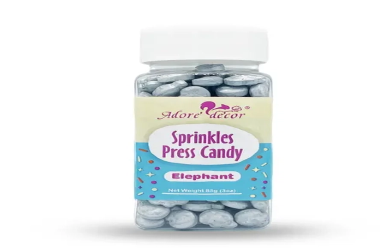
In recent years, interactive cake decorations have emerged as a trend where the cake itself engages guests. These decorations allow guests to participate in the experience of the cake, making it not just a dessert but an experience. Some examples include pull-apart cakes, where chocolate shards or other edible decorations are pulled from the cake as part of the presentation, and interactive edible elements, like hidden candy surprises inside the cake.
Bakers are also incorporating DIY edible elements, such as decorate-your-own-cake kits or edible elements that guests can assemble themselves, adding a fun and personalized touch to any event. Interactive decorations add an element of surprise and engagement, particularly at large events like birthdays or weddings.
Themed cake decorations have always been a staple in cake decoration, but bakers are now taking it to the next level with more customized, event-specific designs. Themed cakes can feature edible elements that reflect the occasion or season, from Halloween-themed cakes with candy pumpkins to Christmas cakes with fondant reindeer or edible snow. This trend allows bakers to truly personalize cakes for specific events and create designs that leave lasting memories.
Themed cakes, especially those for corporate events or themed parties, require creativity and precision in selecting the right edible decorations, and cake decorators are using everything from fondant to sugar flowers to match the event’s theme perfectly.
Decoration Type | Description | Common Use Cases |
Interactive Decorations | Edible elements that guests can engage with, like chocolate shards or DIY kits. | Birthday cakes, large events |
Themed Decorations | Custom decorations that reflect specific events, holidays, or themes. | Holiday cakes, corporate events, themed weddings |
Sustainability is an increasingly important consideration in the world of cake decoration. Eco-friendly cake decorations are becoming more popular as bakers seek sustainable alternatives to traditional materials. This includes using biodegradable materials for packaging, selecting plant-based food colorants, and sourcing ingredients from fair-trade suppliers. Many high-end bakeries are moving away from single-use plastic and opting for compostable decorations made from edible ingredients.
Alongside sustainability, reducing waste in cake decoration has become a major trend. Bakers are now finding ways to minimize waste by using every part of the edible decoration. For example, leftover fondant is reused in new decorations, and excess frosting is used to create additional textures or decorations for other cakes. This commitment to reducing waste not only helps the environment but also reduces costs for the bakery.
Sustainability Type | Description | Benefits |
Eco-Friendly Decorations | Biodegradable or compostable materials used in cake decoration. | Reduced environmental impact |
Waste Reduction | Using leftover materials for new decorations or ingredients. | Lower costs, minimal waste |
Edible prints are applied by printing edible ink onto special edible paper, which is then placed onto the cake’s surface. This technique allows for highly detailed and personalized designs.
Edible glitter adds a shimmering, sparkling effect to cakes, while metallic edible paint provides a reflective, luxurious finish with colors like gold, silver, or copper.
Yes, hand-painted cakes can be fully customized with designs, themes, and artwork tailored to the client’s needs, making them ideal for weddings, anniversaries, and other special occasions.
Yes, plant-based colorants like beetroot powder, spirulina, and matcha are safe for cake decoration. They offer vibrant colors and are a natural, eco-friendly alternative to synthetic dyes.
 Conclusion
The newest trends in edible cake decorations have revolutionized the way cakes are decorated and consumed. From edible art and metallic paints to interactive decorations and sustainable practices, these trends reflect the growing desire for personalized, luxurious, and eco-conscious cake designs. Companies like Adore Decor are at the forefront of this innovation, consistently incorporating these trends to offer their clients unique, high-end cake designs. As bakeries continue to innovate, these trends will evolve, making cake decoration an exciting and ever-changing field that offers limitless creative possibilities. Adore Decor and other leading bakeries will undoubtedly continue to set the standard for modern, sophisticated cake artistry.


