

Views: 0 Author: Site Editor Publish Time: 2026-04-03 Origin: Site


Edible glitter has become a popular trend in the cake decoration industry, transforming ordinary desserts into visually stunning creations. Its sparkling, eye-catching appearance adds an extra layer of glamour to cakes, cupcakes, cookies, and other confections, making it a favorite choice for special occasions like weddings, birthdays, and holidays. As its use has expanded beyond just cakes to include other desserts and even beverages, edible glitter’s appeal continues to grow among both professional bakers and home decorators. This article aims to break down what edible glitter is made of, its safety regulations, and how it is used in cake decoration, helping cake decorators understand how to incorporate this shimmering ingredient into their designs while ensuring it is both safe and effective.
Edible glitter is a sparkling ingredient specifically made for food decoration. Unlike regular craft glitter, which is made from plastic and is unsafe for consumption, edible glitter is made from food-grade materials. It is used to add shimmer to cakes, cupcakes, cookies, and other treats, providing a festive and elegant look. The key difference between edible glitter and regular glitter lies in the ingredients and manufacturing process, which are both regulated to meet food safety standards.
Edible glitter is made from a combination of food-safe ingredients that give it its glittering appearance. Common ingredients include:
· Sugar: The base of most edible glitter, sugar provides both texture and sweetness.
· Starch: Used to create a light, delicate structure for easy application.
· Mica: A natural mineral that gives glitter its reflective shimmer. Mica is often coated with food coloring to add vibrant hues.
· Food Coloring: Various food-safe colorants are used to add colors like gold, silver, pink, and blue, providing the glitter's sparkle.
Edible glitter must comply with strict food-grade certifications to ensure safety. It is regulated by organizations like the FDA in the U.S. and the EFSA in the EU, which ensure the use of non-toxic, food-safe ingredients. Only approved materials like mica, titanium dioxide, and certain food colorants are used in edible glitter. It must be clearly labeled with ingredients and warnings to guarantee safety for food use.
 2.Types of Edible Glitter
Traditional edible glitter is the most commonly used form in cake decoration. Made from non-toxic ingredients like sugar and mica powder, it provides a shimmering, sparkling appearance. Sugar forms the base, while mica adds the reflective quality that makes the glitter sparkle. This type is often used to create a subtle, elegant shine on desserts and comes in various colors. It can be sprinkled on cakes, cookies, cupcakes, or used to enhance chocolate and sugar coatings.
Gel-based glitter offers a more vivid and intense shine compared to traditional glitter. Made with gel as the base, it delivers a concentrated shimmer and is available in bold colors. This glitter is ideal for intricate designs and precise applications in specific shapes or patterns. It’s often used in high-end event cakes and other luxurious desserts that require a dramatic, eye-catching effect.
For those who prefer organic or plant-based ingredients, natural edible glitter is an excellent choice. Made from natural pigments like spirulina (blue-green algae) or beetroot powder, it offers an eco-friendly, sustainable option. This glitter provides shimmer effects without synthetic materials, making it suitable for those with dietary preferences or seeking clean-label products. It's a great choice for health-conscious bakers.
The production of edible glitter involves several key steps to ensure it is both safe and visually appealing. Base ingredients like sugar, starch, and mica powder are carefully selected. In traditional glitter, sugar is granulated to create a fine texture, while mica powder adds a shimmering effect. For gel-based glitter, food-safe gelatin or agar is combined with colorants and reflective materials, then set into gel form. Natural edible glitter uses plant-based pigments like spirulina or beetroot powder to achieve desired colors. Once combined, the mixture is dried or set into molds before being packaged and ready for use.
The main difference between regular craft glitter and food-safe glitter is the material. Craft glitter is typically made from plastic or metal and is not safe for consumption. In contrast, food-safe glitter is made from edible, non-toxic ingredients like sugar, mica, and food-safe colorants. Food-safe glitter is manufactured under strict safety standards, ensuring it meets food-grade certifications and is free from harmful chemicals, unlike craft glitter, which can contain toxic materials unsuitable for consumption.
Edible glitter is safe because it’s made from food-grade ingredients that comply with strict regulatory standards. It must be certified by regulatory bodies like the FDA (U.S.) or EFSA (EU), which ensure the ingredients used are non-toxic and safe for consumption. These certifications guarantee that materials like mica, titanium dioxide, and food-safe colorants are safe in small amounts. Food-grade certification also ensures that edible glitter is produced in hygienic facilities to prevent contamination, making it a fun and safe option for decorating desserts.
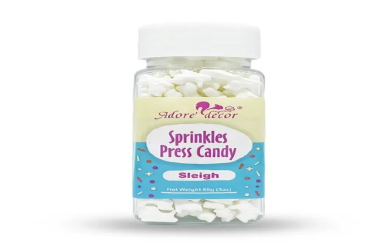
4.Consumer PreferencesConsumers are increasingly valuing visually stunning desserts, seeking not just great taste but also memorable, Instagram-worthy cakes. This trend has led to a surge in demand for eye-catching decorations, with edible glitter becoming a popular choice to enhance the appearance of cakes and desserts. The focus on aesthetics has encouraged bakers to explore creative techniques, and edible glitter fits seamlessly into this trend.
Edible glitter adds a vibrant, shimmering effect to cakes, cupcakes, cookies, and other desserts. It can be applied subtly for a soft glow or generously for a bold, dramatic look. Whether accentuating intricate designs or adding a festive touch, edible glitter has become a go-to decoration for creating visually striking and luxurious desserts.
Edible glitter is particularly popular in weddings, birthday parties, and holiday celebrations. It adds elegance to wedding cakes with subtle, shimmering effects and a fun, celebratory flair to birthday cakes. During holidays like Christmas and New Year, it creates festive, eye-catching desserts. The growing demand for custom cakes and themed events has made edible glitter an essential tool for decorators.
5.Health and Safety ConsiderationsWhile edible glitter is designed for food decoration, there are concerns about its safety. It's essential to differentiate between food-safe glitter and non-edible glitter. Only glitter labeled as "edible" is safe for consumption, as it is made from food-grade ingredients. Non-edible glitter, often found in craft stores, is made from toxic materials like plastic and should never be used on food. Consumers should choose glitter products that meet food safety standards to ensure safety.
Edible glitter is made from food-grade ingredients like sugar, mica, titanium dioxide, and food-safe colorants. These materials are approved by regulatory bodies like the FDA and EFSA. Mica adds the shimmer, while titanium dioxide is used as a safe pigment. Food colorants used in glitter comply with safety regulations for food use, ensuring they are non-toxic and safe for consumption.
To ensure edible glitter is safe, always check the product label for "food-grade" or "edible" certification. Look for compliance with food safety regulations and check for allergy warnings, particularly for gluten or other allergens. Trusted brands will list non-toxic, food-safe ingredients and include certifications from organizations like the FDA or EU. Always choose products with proper labeling for peace of mind.
Yes, edible glitter can be applied to cakes, cupcakes, cookies, and other baked goods. It works best when sprinkled on frosting, fondant, or ganache.
Yes, edible glitter is made from food-safe ingredients and is regulated to ensure it is safe for consumption. Always check the label for food-grade certification.
Craft glitter is made from non-toxic materials but is not suitable for consumption. Edible glitter, however, is made from food-grade ingredients and is safe for decorating desserts.
Edible glitter can be applied by sprinkling it on the surface of frosted cakes, cookies, or cupcakes, or it can be brushed on with a fine brush for more precise decoration.
Edible glitter has become a popular and essential ingredient in the world of cake decoration, offering a sparkling, vibrant finish that enhances the visual appeal of desserts. Made from food-safe ingredients like sugar, mica, and food-grade colorants, edible glitter provides a safe and effective way to create eye-catching, luxurious designs. It is widely used in special events such as weddings, birthdays, and holidays, where its shimmering effect adds elegance and fun. However, it’s crucial to differentiate between edible glitter and non-edible craft glitter, as only the former is safe for consumption. When choosing edible glitter, always check product labels for food-grade certifications and ensure it complies with safety standards. By selecting high-quality, certified edible glitter, cake decorators can confidently enhance their creations while prioritizing both aesthetics and food safety.


